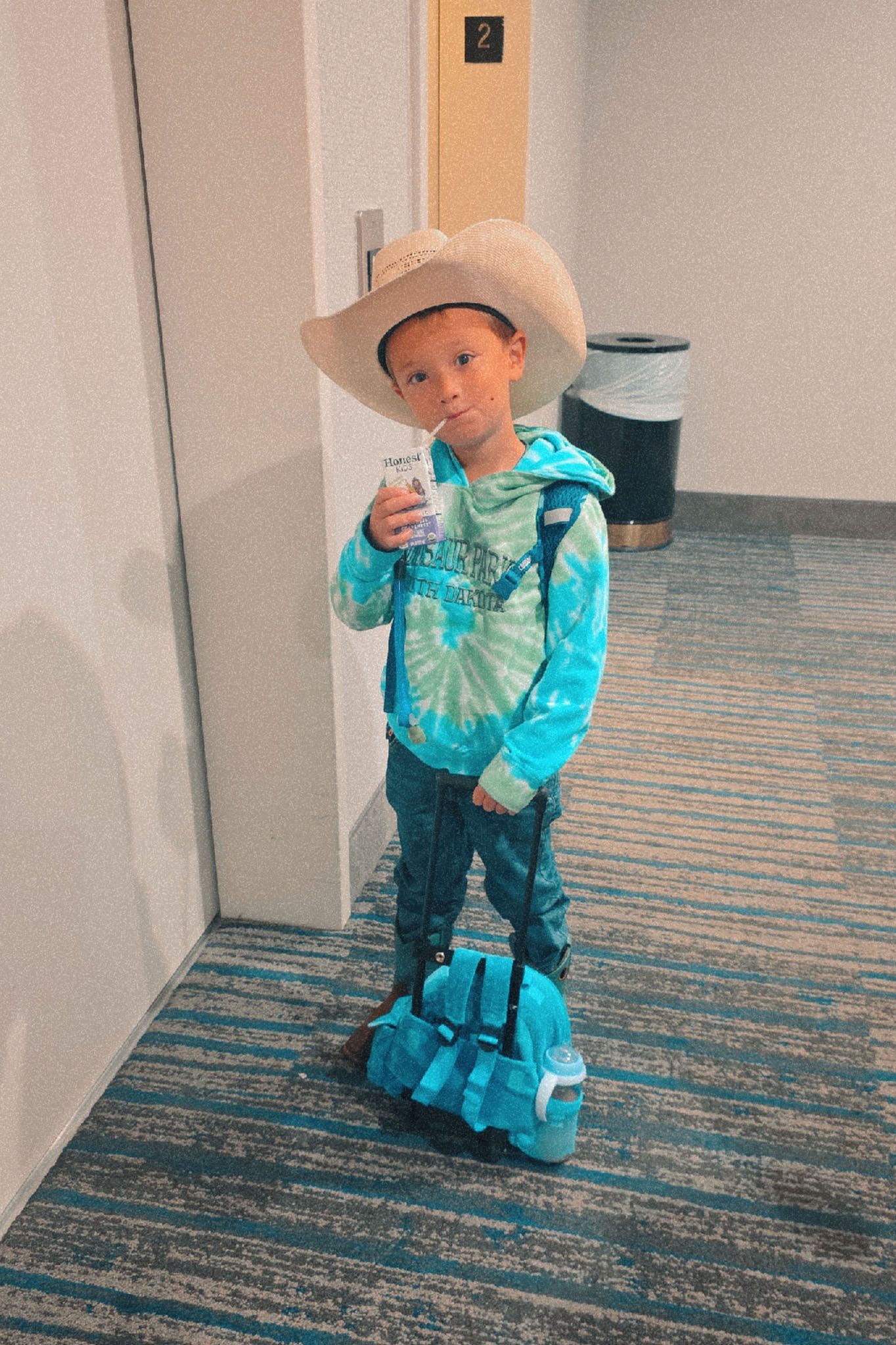
Some of the best travel days are the ones that do not go exactly as planned.
This little western Nebraska adventure was actually part of our trip home after visiting family in Colorado. We had left the Denver area, made our way east toward Fort Morgan, and then started working our way north through the plains toward Nebraska. Instead of taking the most direct route home, I planned a few stops along the way so the boys and I could explore a little more before the trip was officially over.
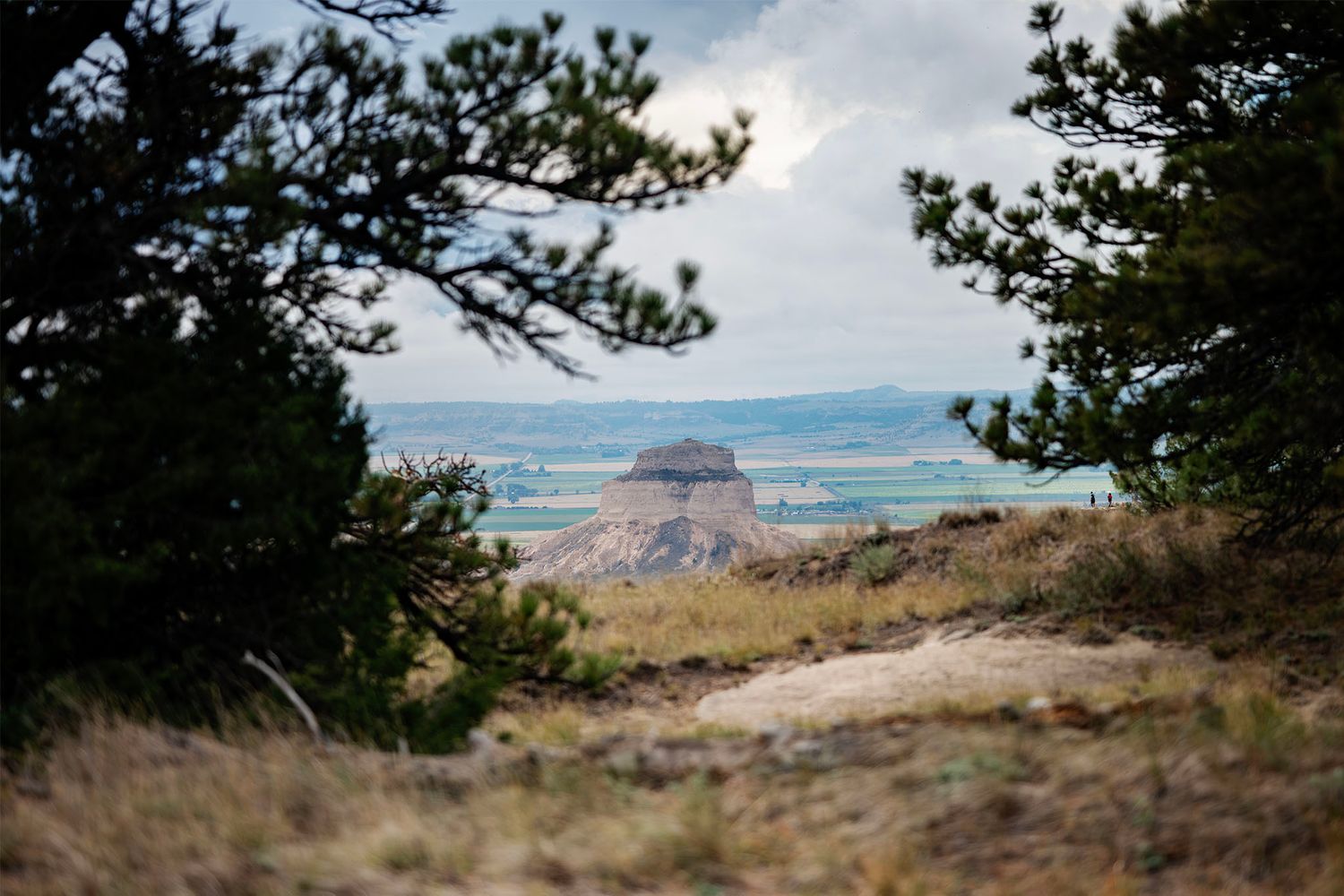
By the time we reached Scottsbluff, Nebraska, we were ready to call it a night. We stayed there for our last night on the road, and the next morning we started the day with breakfast at Rise N Shine before heading toward Scotts Bluff National Monument. It was a nice, easy way to start the morning before what ended up being quite a bit of walking, exploring, and eventually trying to stay one step ahead of a Nebraska storm.
Our first stop was Scotts Bluff National Monument.
Scotts Bluff National Monument
Scotts Bluff rises about 800 feet above the North Platte River and has long been an important landmark in this part of Nebraska. It was especially significant to travelers along the Oregon, California, and Mormon Pioneer Trails, as well as the Pony Express.
We drove the Summit Road all the way to the top and started at the North Overlook. From there, the views stretch across the North Platte Valley and surrounding plains, and it is one of those places where the landscape makes you stop for a minute and realize just how open western Nebraska really is.
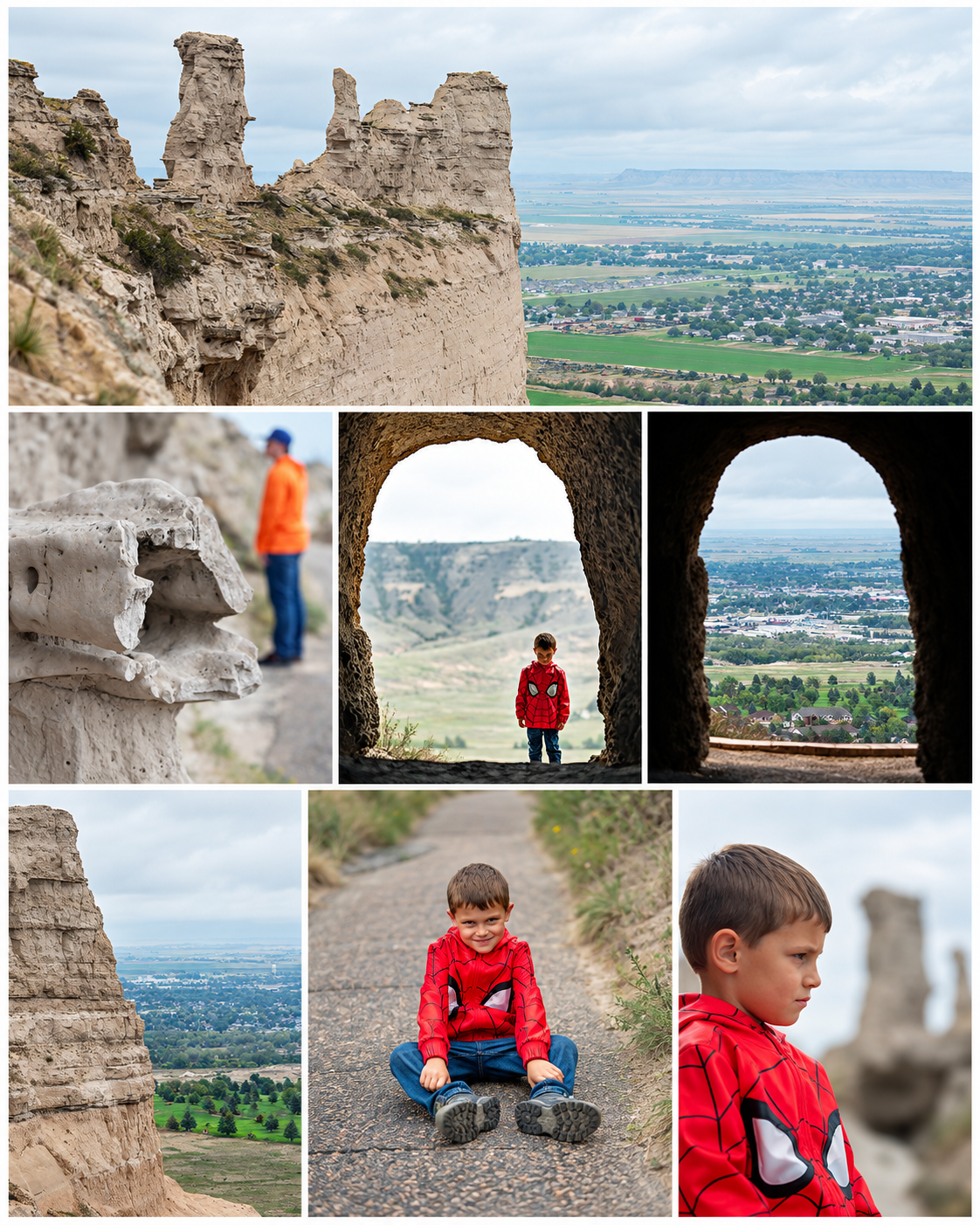
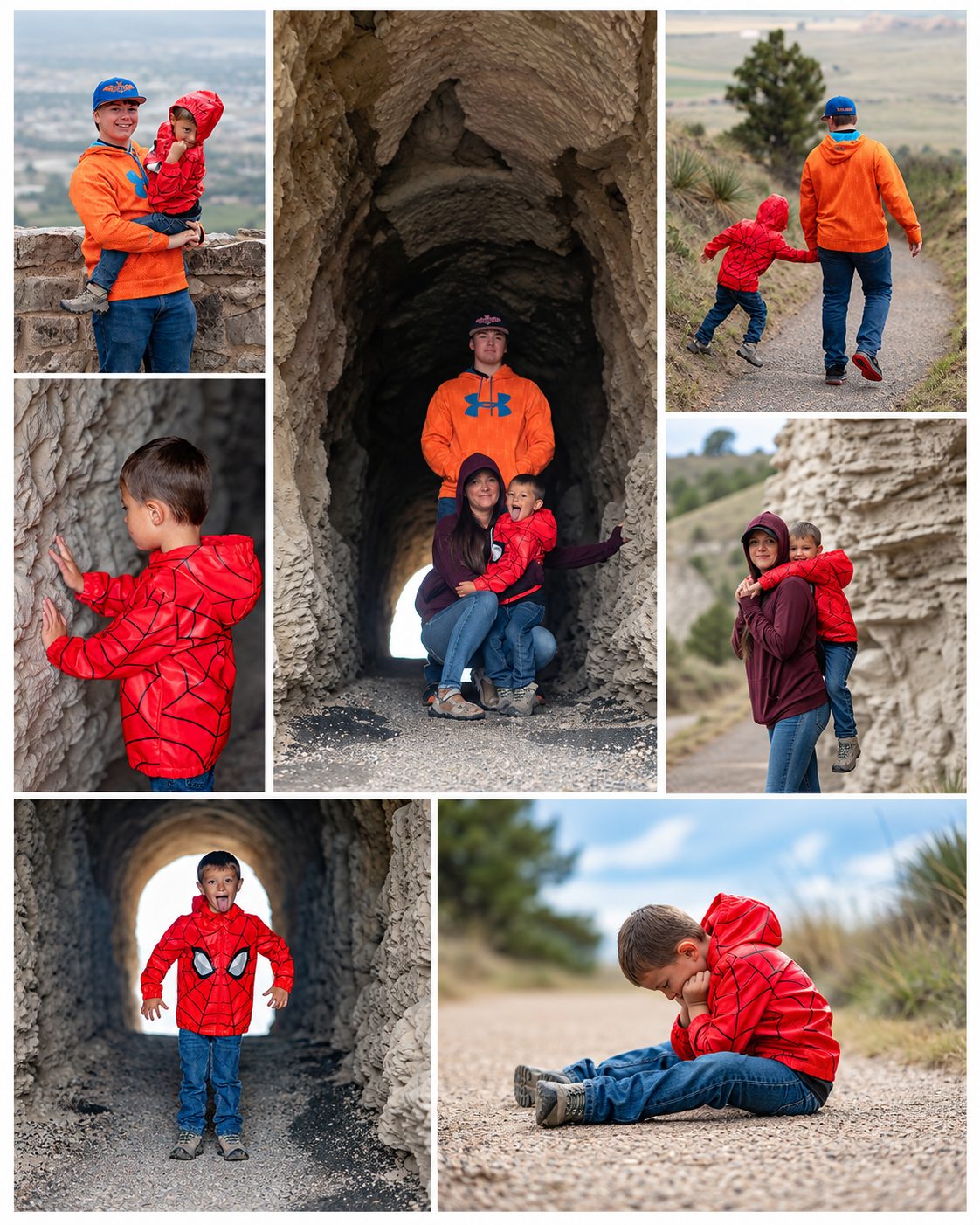
From the summit, we headed down part of the Saddle Rock Trail toward the Foot Tunnel.
The full Saddle Rock Trail runs about 1.6 miles one way between the visitor center and the summit, climbing roughly 435 feet in elevation. The trail passes through a foot tunnel and winds through some of the exposed rock layers that make Scotts Bluff such an interesting geological area.
Scotts Bluff Visitor Center + A Few Travel Traditions
After coming back down from the summit, we stopped at the Scotts Bluff National Monument Visitor Center and Museum.
Scotts Bluff has been an important landmark for generations. Rising about 800 feet above the North Platte River, it became one of the most recognizable landmarks along the Oregon, California, Mormon Pioneer, and Pony Express routes. For travelers moving west, the bluff was both a guidepost and an obstacle, eventually leading emigrants through nearby Mitchell Pass.
The visitor center sits just steps from those historic trail routes and includes exhibits on the natural, cultural, geological, and paleontological history of the monument.
Fossils have been found around Scotts Bluff for more than a century, including remains of ancient rhinoceroses, oreodonts, carnivores, tortoises, and other animals. During construction of the summit road tunnels in the 1930s, workers even uncovered fossils as they cut through the bluff.
The section we hiked drops steeply through the narrow area between the North and South Overlooks, with a long switchback tucked into the bluff formations. The tunnel itself is carved right through the rock, surrounded by layers of sandstone, siltstone, volcanic ash, and limestone that were gradually exposed as wind and water eroded the surrounding high plains. Some of the visible rock layers at Scotts Bluff span roughly 33 to 22 million years of geologic history.
It was absolutely beautiful.
It was also a little nerve-racking.
Those steep drop offs feel a whole lot different when you are hiking with a toddler who has absolutely no fear!
We made it down to the tunnel and explored for a while before deciding to turn around rather than continuing the entire trail down to the visitor center. We took our time making the climb back up, stopping quite a few times to enjoy the views while Braxty took his breaks.
Honestly, some of those slower moments ended up being my favorites.
I liked having that little bit of background after being out on the trail because it gives the landscape a completely different perspective. The formations are beautiful on their own, but there is so much more history layered into them than you realize just looking out over the valley.
This was also where Braxton got his first National Parks Passport. I do not plan on making the passport the focus of our trips, but I do think it is a really fun investment for kids who visit National Park Service sites regularly. The cancellation stamps give them something small to look forward to at each stop, and as he gets older, I think it will be a fun way to look back and see just how many places he has been.
The National Park Service also has Junior Ranger programs at many locations. Scotts Bluff has its own self guided activity booklet for children ages five and older, with a badge awarded after the activities are completed and reviewed with a ranger.
That is something I would love to work into future trips as Braxton gets older, especially when we can slow down and spend more time digging into the educational side of the museums and trails.
We also have a family tradition of collecting keychains from places we visit. Since my husband was not able to join us on this trip, we decided to save our location keychains for when we come back and experience these places together as a family. Braxton still picked out a Smokey Bear keychain and magnet at Scotts Bluff as his little souvenir from the day.
Eventually, I could also see him enjoying the small National Park collectible tokens. Between stamps, Junior Ranger badges, keychains, magnets, and tokens, I like the idea of letting the boys build their own little collection of memories from the places we visit.
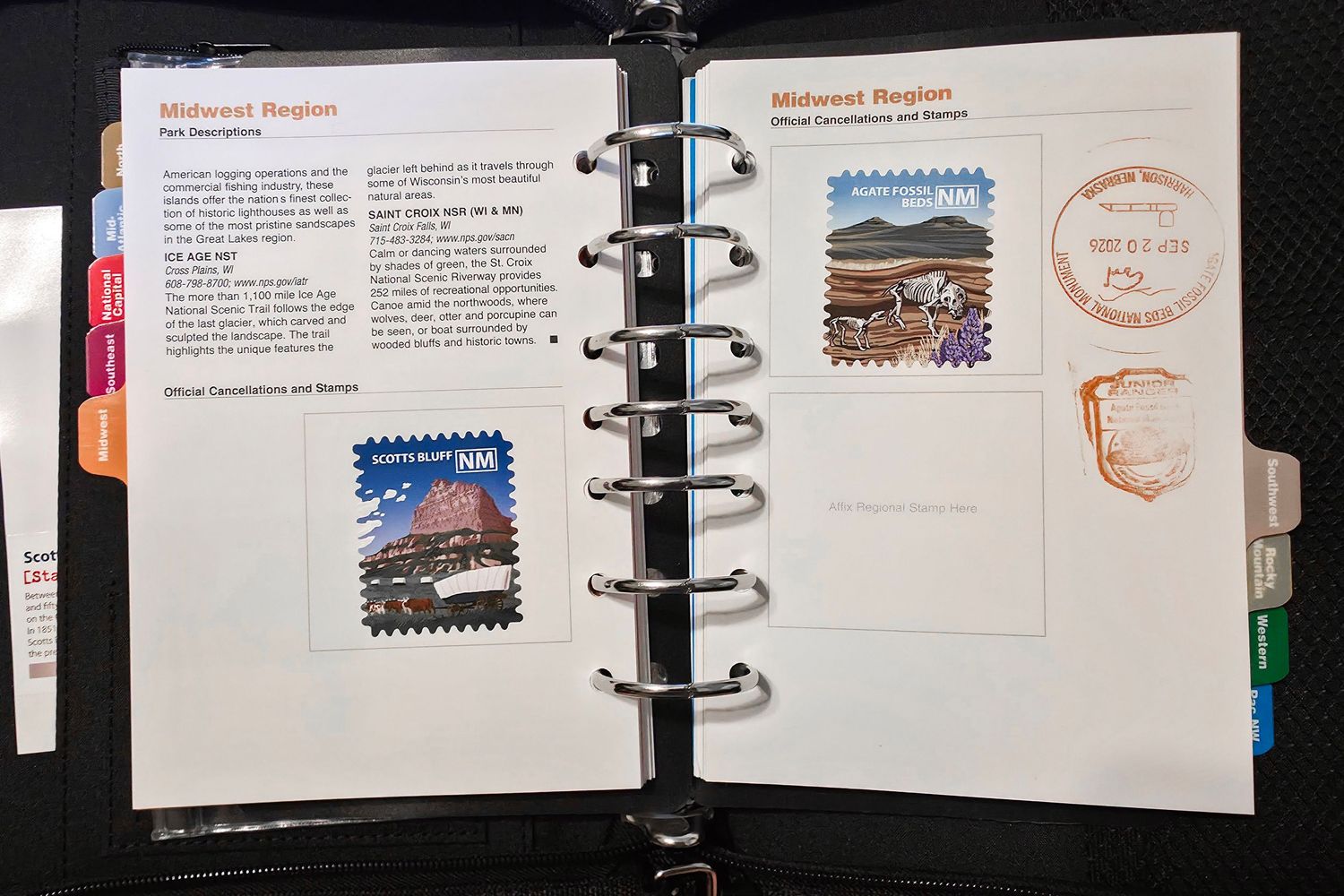
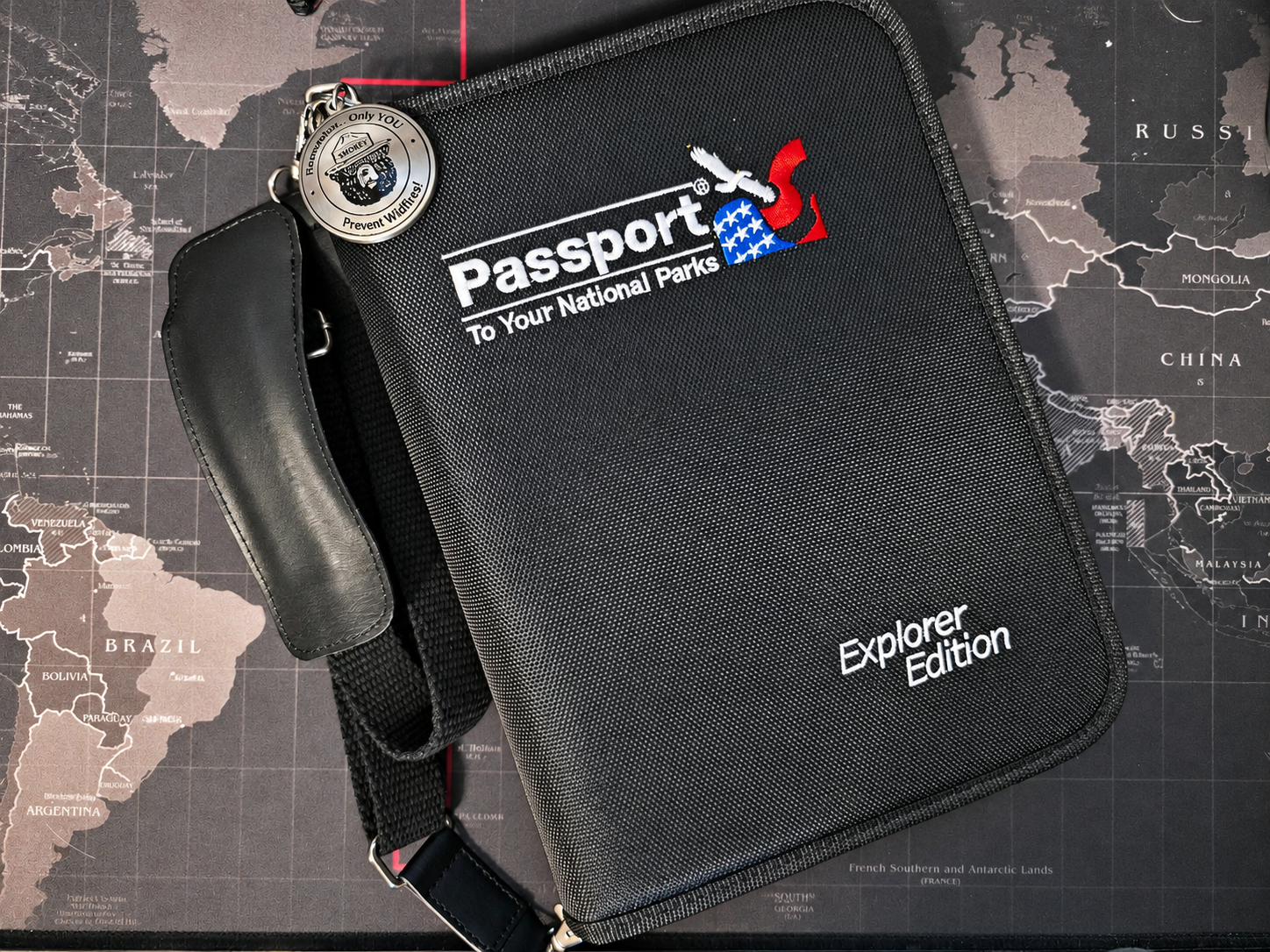
National Parks Passports are such a fun keepsake for young travelers , giving them a simple way to collect stamps, remember each stop, and grow into the educational side of each visit. Braxton was especially proud to stamp his own book and, as the upside down stamp confirms, he handled that important responsibility persoanally.
Agate Fossil Beds National Monument
From Scotts Bluff, we headed north toward Agate Fossil Beds National Monument.
Agate Fossil Beds preserves one of the most important Miocene mammal fossil sites in the world. Fossils found here include remarkably complete skeletons of animals such as Menoceras, Moropus, and Dinohyus, along with other mammals that lived on the Great Plains millions of years ago.
The visitor center has fossil displays and a large diorama showing what the area may have looked like during the Miocene. It also tells the story of how these fossil beds were discovered and studied.
James Cook, who later became a local rancher, discovered fossilized bones in the hills in the mid 1880s. Large-scale scientific excavation did not begin until years later, after Carnegie Museum paleontologist Olaf Peterson visited the site in 1904. Those early excavations eventually uncovered some exceptionally complete fossil skeletons and helped make Agate internationally important to paleontology.
We really enjoyed learning about the animals that once lived here and how paleontologists pieced together the story of the landscape from the fossils they uncovered.
The museum also includes the James H. Cook Collection, a historically significant collection of Lakota artifacts and gifts connected to Cook's relationships with Chief Red Cloud and other Lakota and Cheyenne leaders.
It is a surprisingly rich little museum for a place that feels so remote.
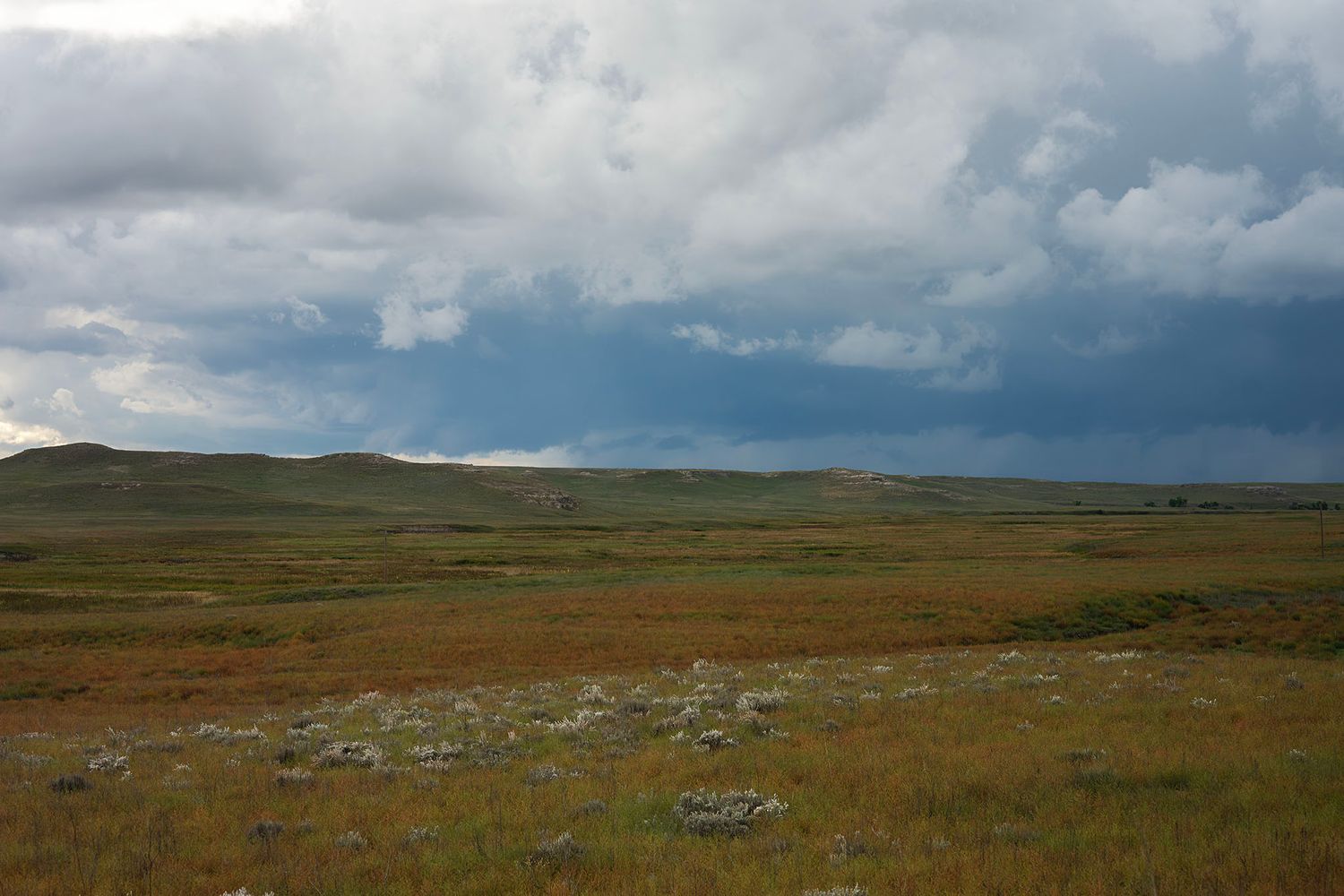
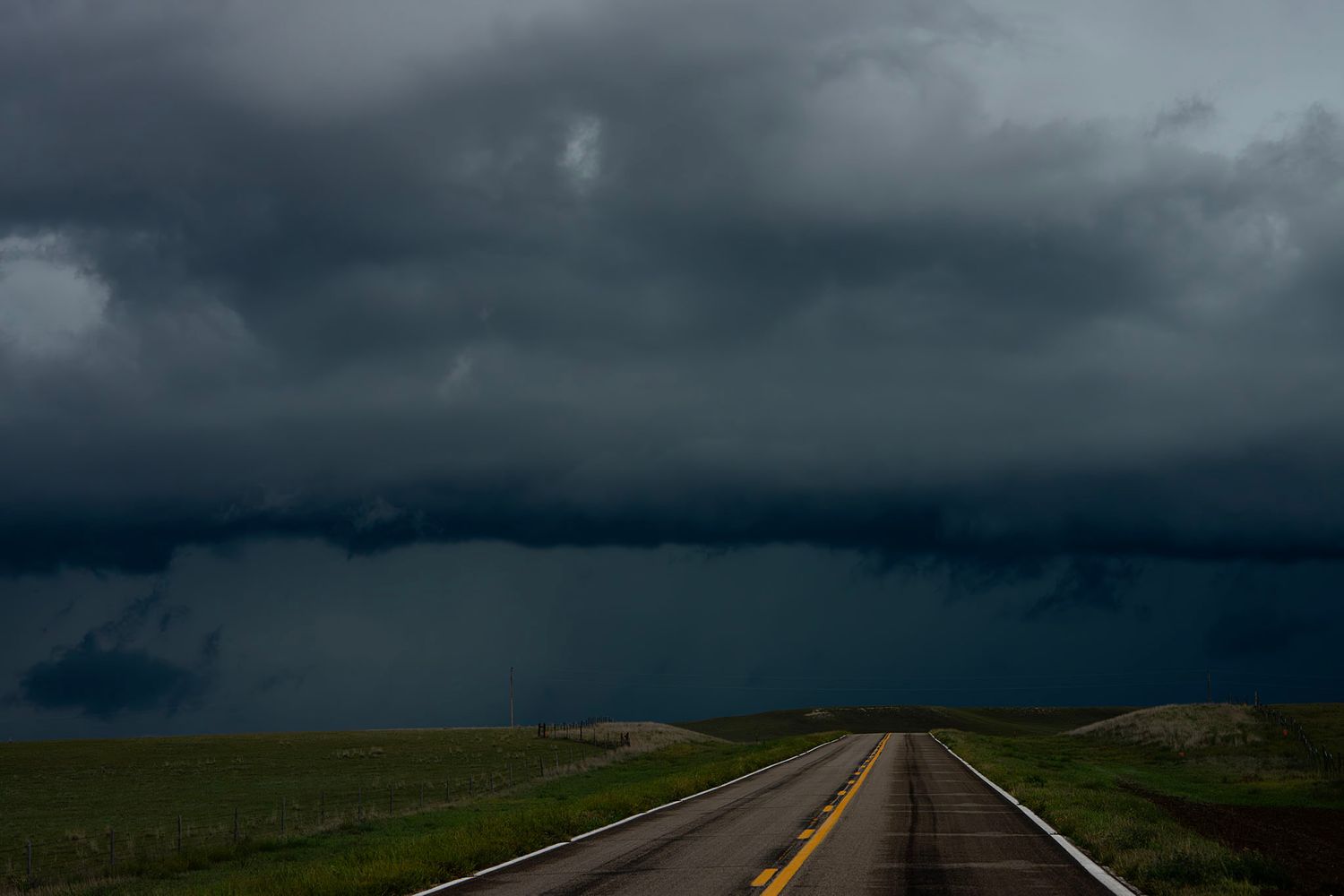
One last look at the open landscape at Agate Fossil Beds before we left, and then this was waiting for us just down the road. The Midwest really knows how to change the mood in a hurry.
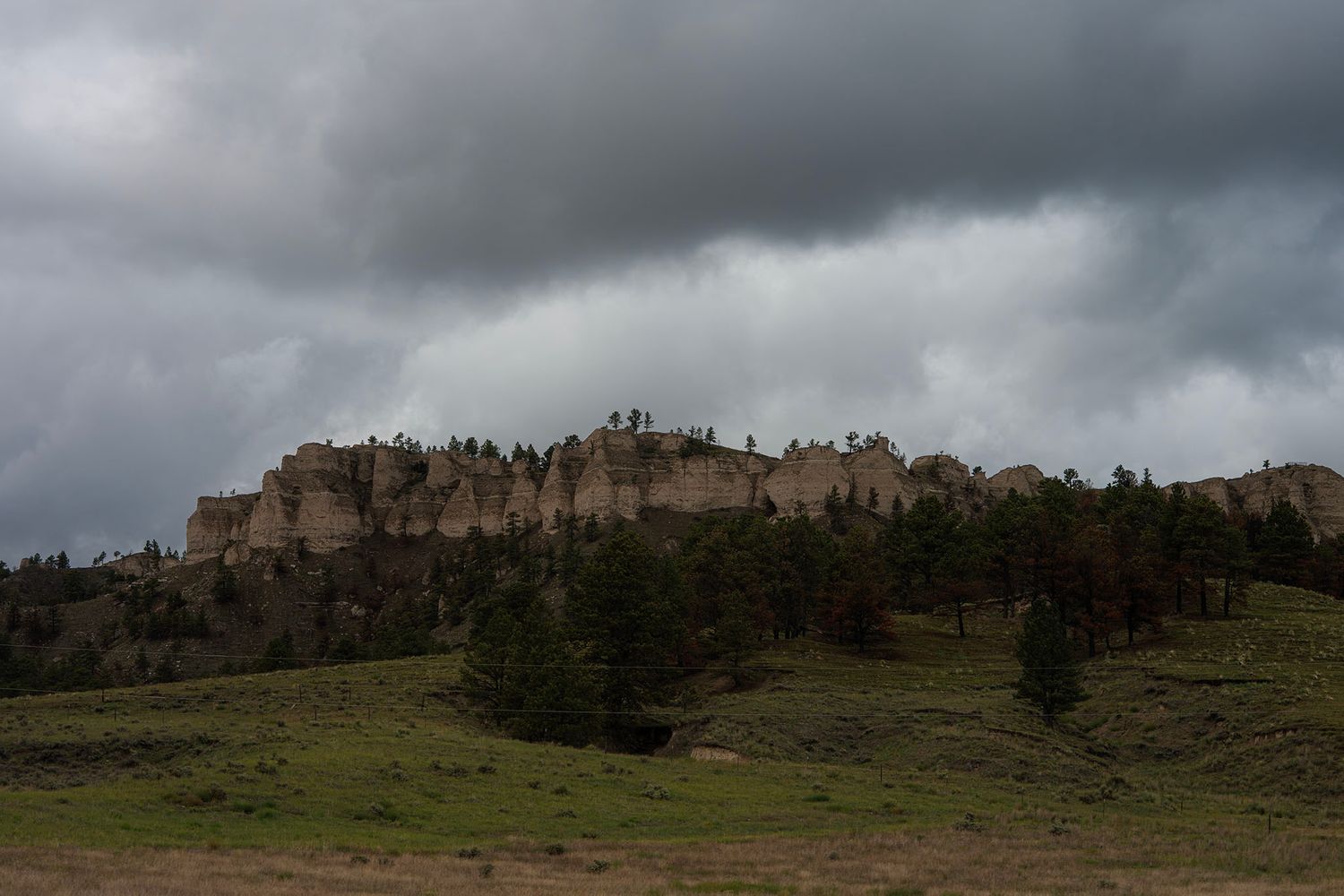
The Hikes We Have to Come Back For
Unfortunately, by the time we arrived at Agate, a storm was steadily moving in from the west.
We had enough time to go through the visitor center, but the lightning was getting much too close for us to feel comfortable starting any of the hikes.
There are two main trails here that I really want to come back for.
The Daemonelix Trail is about one mile long and leads visitors past fossilized spiral burrows made by Paleocastor, an ancient dry-land beaver. The unusual corkscrew-shaped burrows are sometimes called the “Devil's Corkscrews,” and there are fossil exhibits along the trail.
The Fossil Hills Trail is roughly 2.8 miles and begins at the visitor center. It crosses wetlands and the Niobrara River before climbing toward the historic fossil quarry sites in University and Carnegie Hills. Those are the same hills where many of Agate's famous fossil discoveries were made.
There is also an optional side trail leading toward the historic Cook homestead cabin, which was later used by scientists working at the fossil beds.
We will definitely have to come back for those.
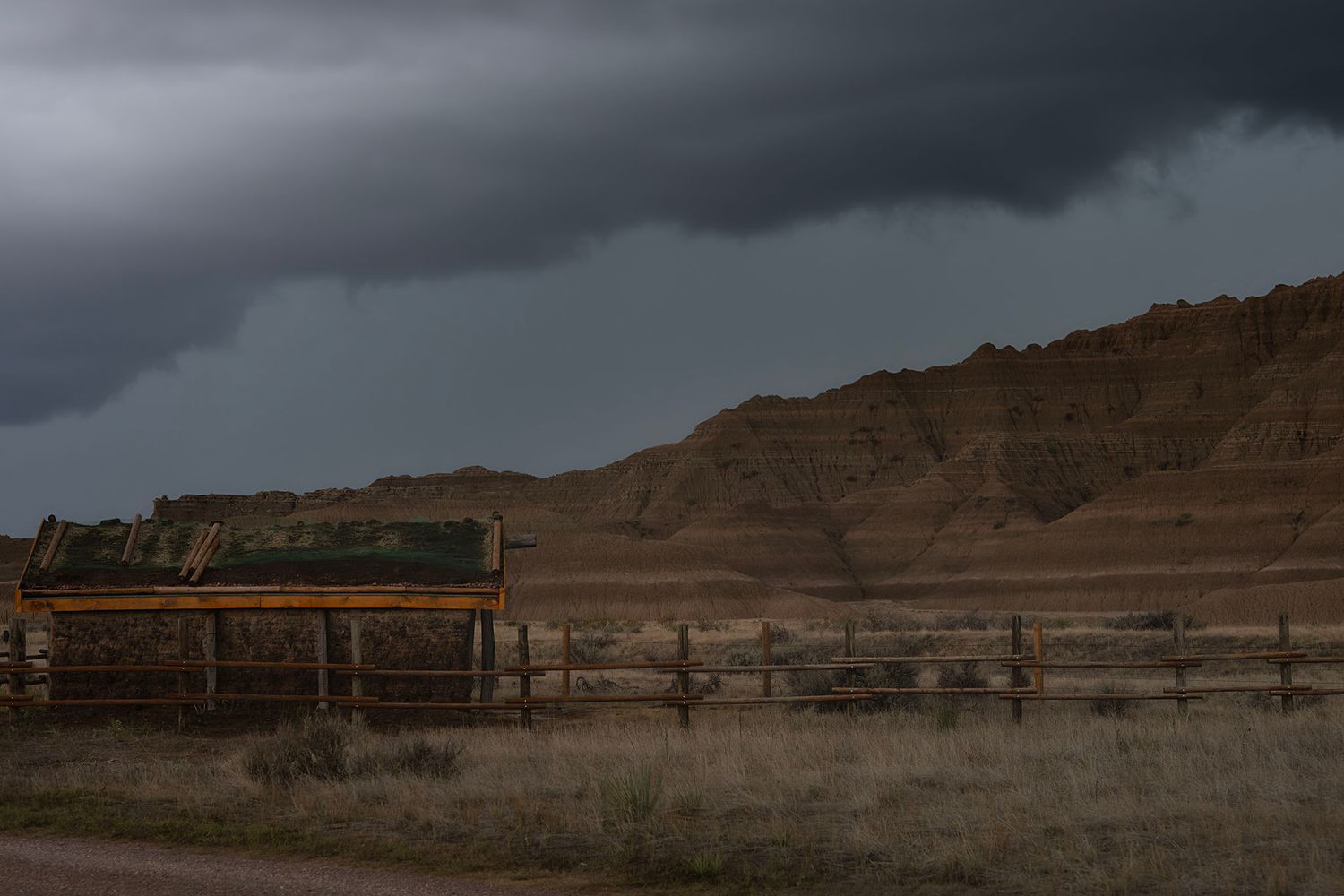
Trying to Stay Ahead of the Storm
After leaving Agate, we kept heading north.
For almost another hour, we managed to stay just ahead of the storm.
Almost.
Our final planned adventure of the day was Toadstool Geological Park.
We pulled in, got everything ready for the one mile hike, and right about the time we were ready to start, we felt a few tiny sprinkles.
Those few sprinkles very quickly turned into an absolute downpour!
At that point, after spending most of the afternoon trying to stay ahead of the weather, I finally admitted defeat.
We packed everything back up and headed home.
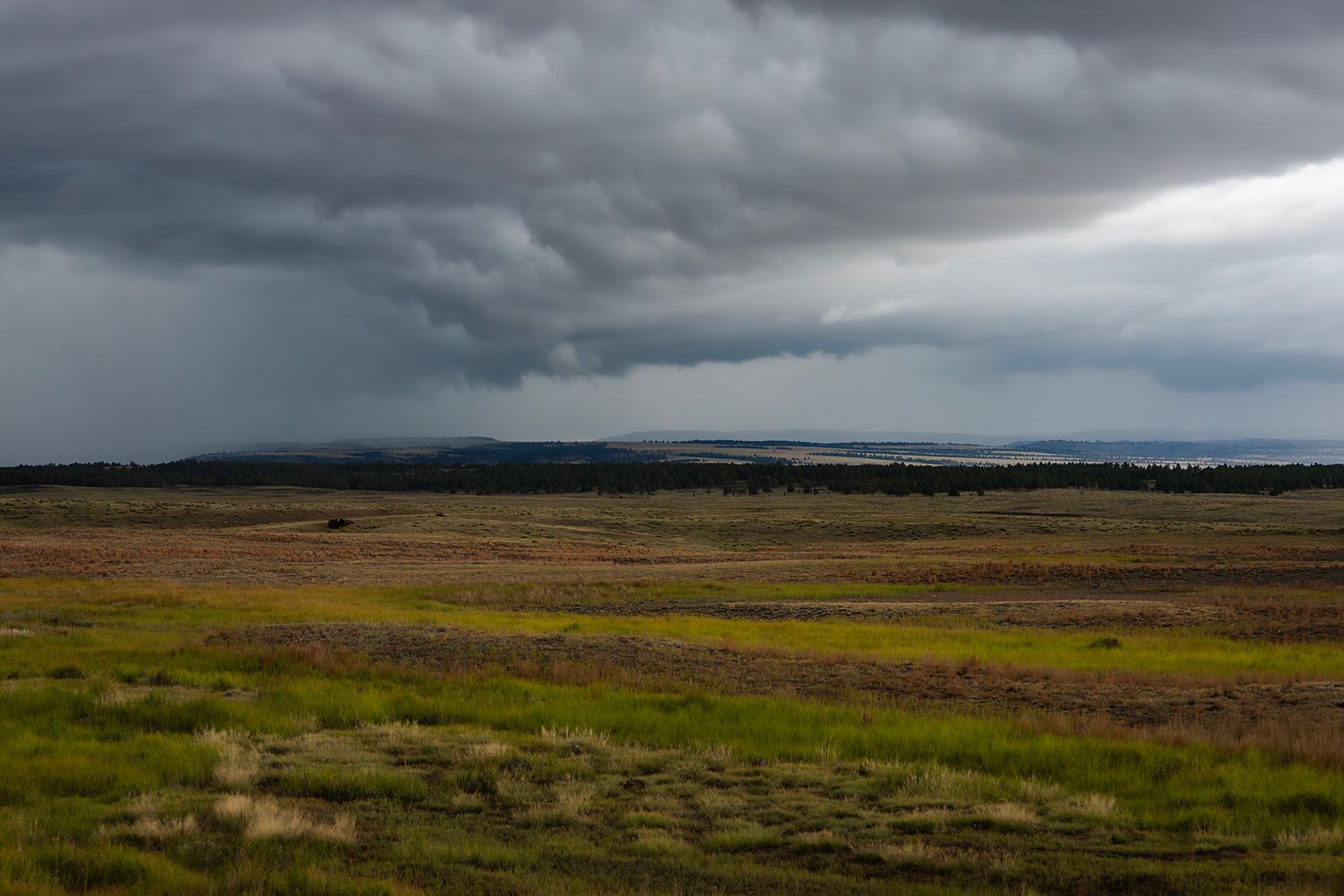
We did not get to hike Agate Fossil Beds
We did not get to explore Toadstool.
And our final adventure ended with us sitting in the car watching the rain pour down.
But somehow, it was still such a good day.
We hiked through the formations at Scotts Bluff, walked through the Foot Tunnel, learned about millions of years of geology and paleontology, explored two really interesting museums, started a few little travel traditions, tried to stay one step ahead of a Midwestern storm, and made a whole collection of memories along the way.
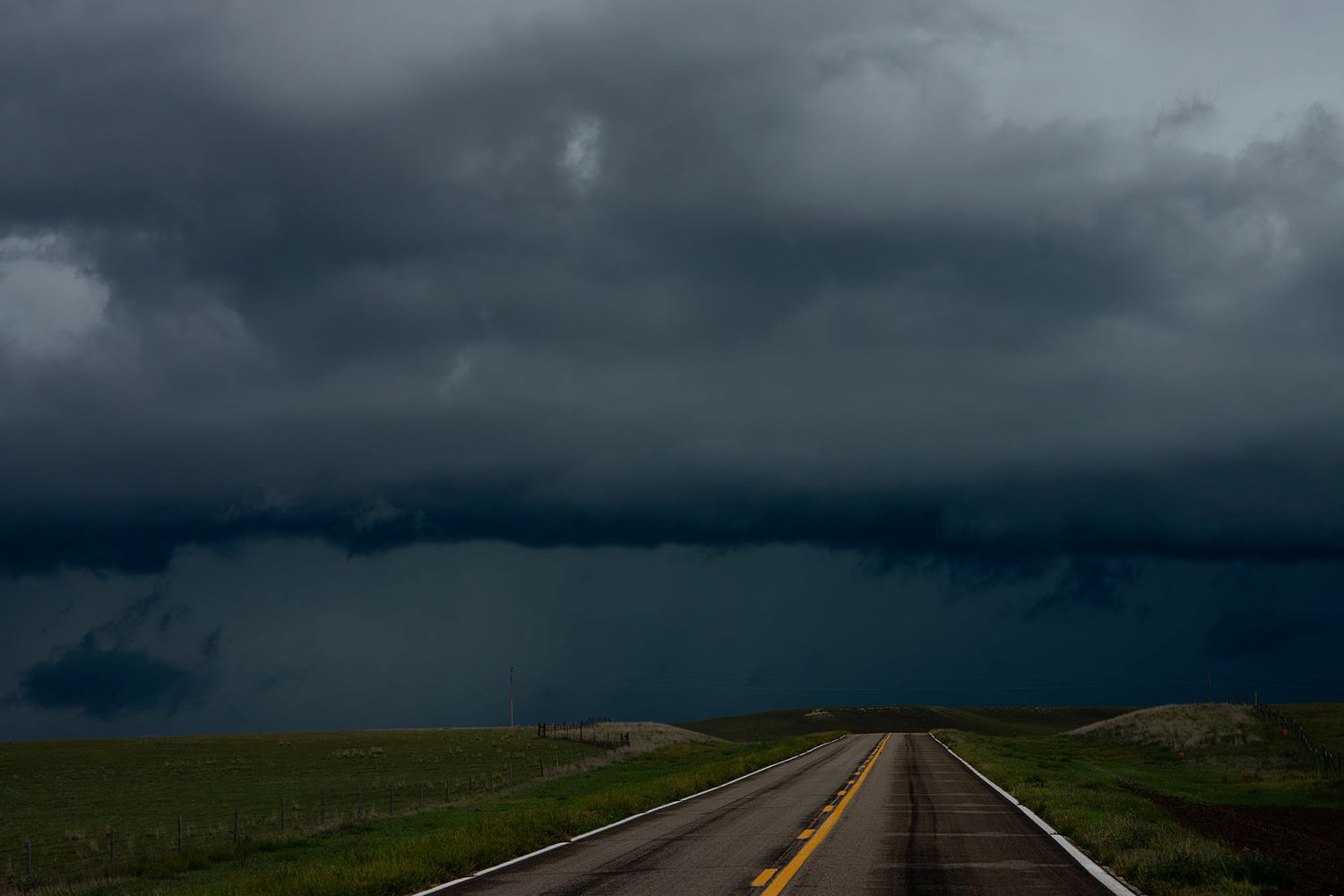
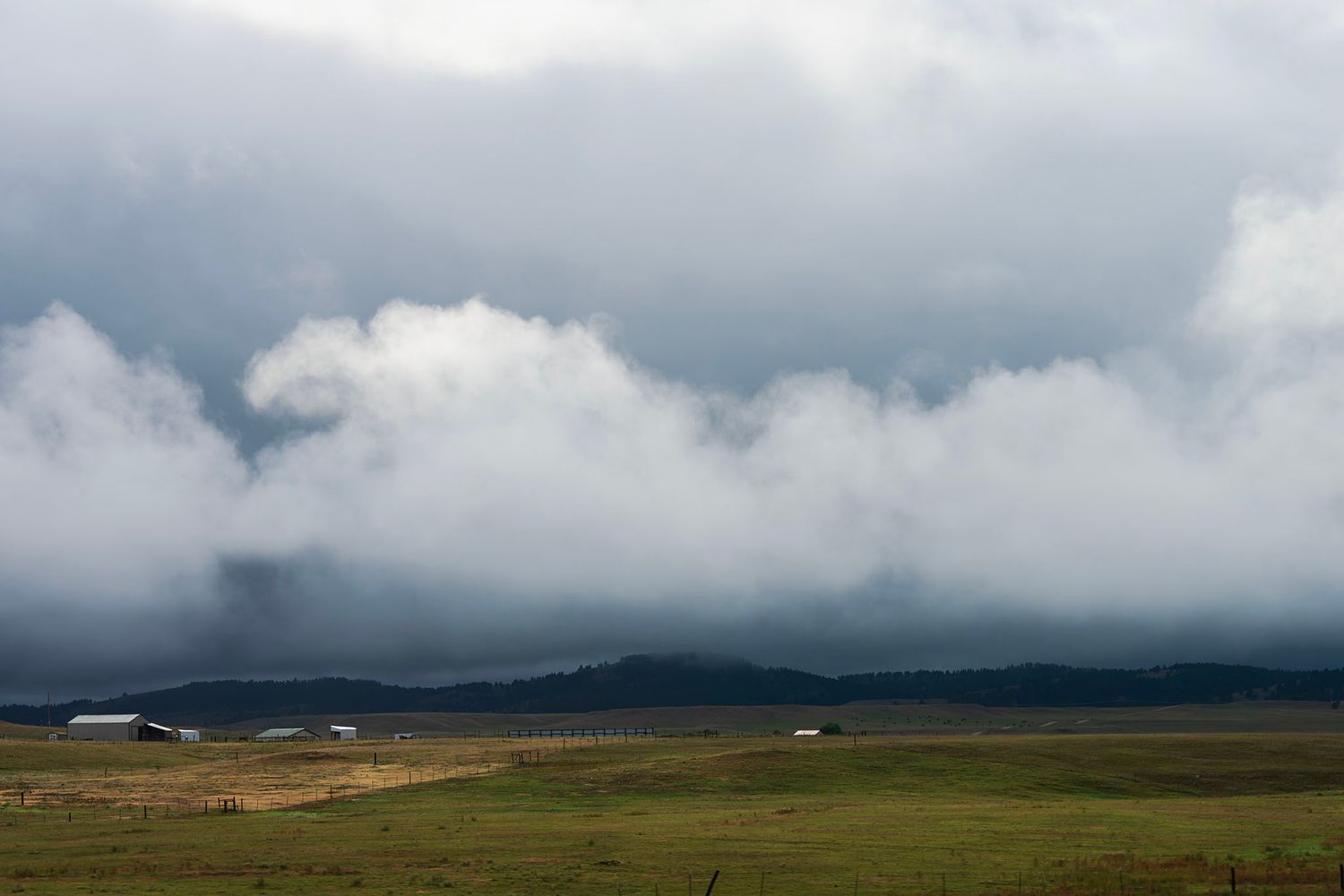
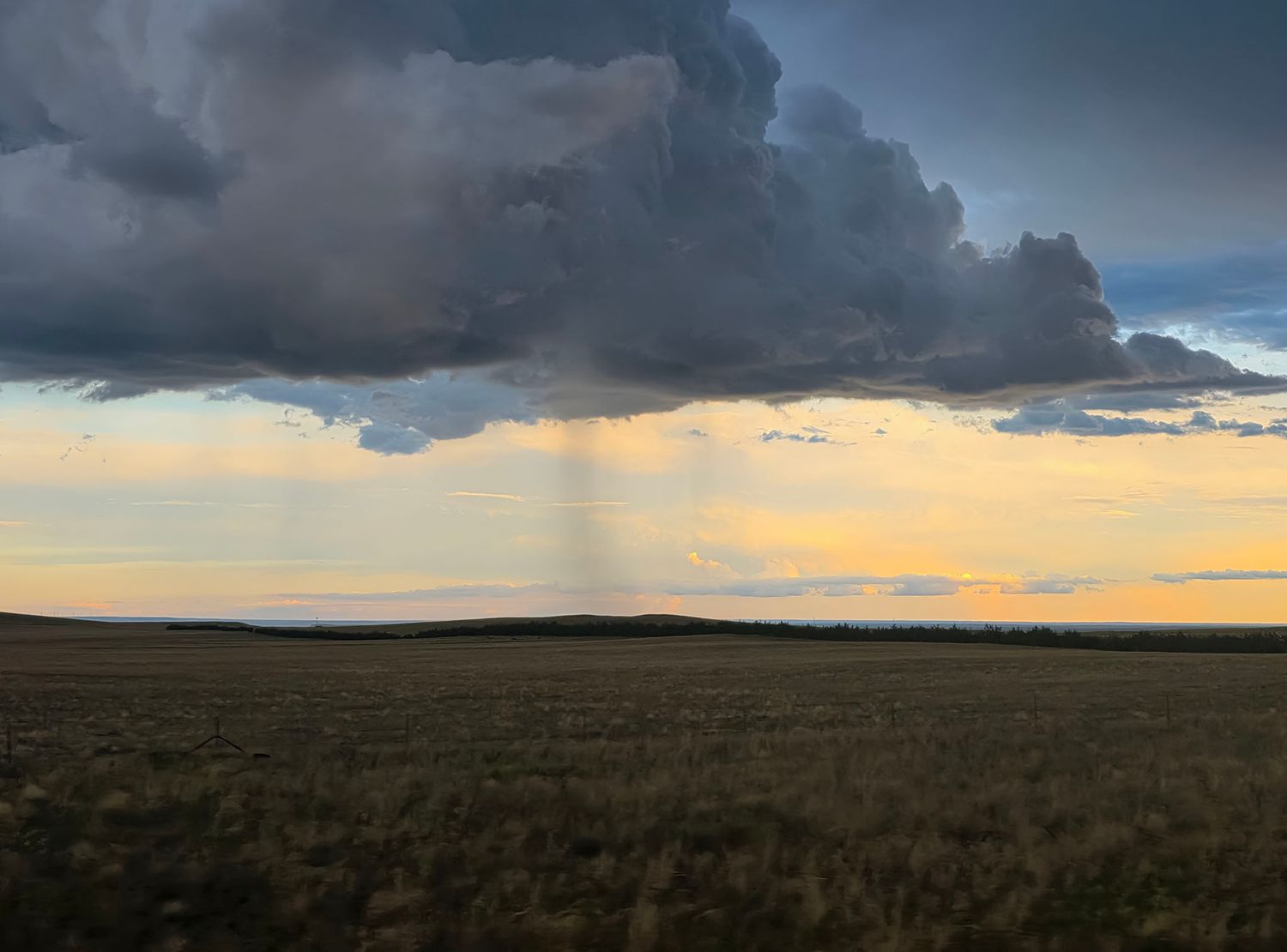
The storm itself ended up becoming part of the experience. It had been stretching from Colorado all the way up toward North Dakota through the weekend, and as we traveled north, we could actually watch the sky and landscape change around us. One minute the horizon was open and bright, and the next the clouds were building darker and heavier in the distance.
As a photographer, I loved being able to capture some of those changes along the way. The wide open plains, dramatic cloud layers, shifting light, and rain moving across the horizon gave the drive an entirely different feel. Even though the weather cut a few of our plans short, it also gave me some of my favorite images from the trip.
Traveling with kids rarely goes perfectly.
There are tired legs, snack breaks, unexpected weather, changed plans, and toddlers who apparently believe steep cliffs are just another part of the playground.
But those imperfect parts are usually woven right into the memories I love most.
And in a way, I am glad we still have a reason to come back.
My husband was not able to join us on this trip, so Scotts Bluff, Agate Fossil Beds, and Toadstool are all places I would love to revisit with our whole family. Next time we can slow down, hike the trails we missed, spend more time learning in the museums, add a few Junior Ranger activities for the boys, and finally add those family keychains to our collection.
Toadstool will just have to wait for us.
Thankfully, it is close enough to home that instead of feeling like something we missed, it feels more like the beginning of another adventure.